Ecology in Space and Time
The use of space is becoming an increasingly important topic in ecology. The understanding of the spatial component of an animal’s behavior is critical to the understanding of their general ecology. To maximize fitness, an individual or group of individuals must continually make a series of hierarchical behavioral decisions about habitat choice from the fine scale of microhabitat selection to the coarse scale of seasonal shifts in biomes as during migration. Animals must decide not only which habitats to occupy, but also when and how to move within and between these different habitat types. These decisions are influenced by a multitude of factors, from physiology to morphology, and impact many different aspects of their ecology from population dynamics to conservation. My goal then is to understand the key factors that affect the strategies of movement and the use of space, principally as they relate to behavioral decision-making and the brain. I tend to focus this work on birds (e.g., hawks and chickadees), but I have also worked on the spatial patterns of water snakes and leaf cutter ants and look forward to collaborating on other taxa in the future.
The Use of Space and Memory
A critical part of utilizing space in many organisms is memory. Whether it be for returning to particular important areas such as during breeding or for defense of territory and maintenance of a home range, spatial memory plays a large part in how an animal uses space. Particularly in food-caching species, spatial memory and cognitive abilities are evolutionary traits that have been highly influenced by selection. My recent work with Vladimir Pravosudov seeks to understand how selection has influenced spatial memory in chickadees. Building upon previous work in the paradigm (e.g., Pravosudov and Clayton 2002), we tested the adaptive specialization hypothesis - increased demand for caching abilities due to a harsh environment lead to the evolution of a larger hippocampus and better spatial memory in seed caching birds. Using black-capped chickadees as a model, we have compared hippocampal volume of birds across a latitudinal gradient from Alaska to Kansas (Roth and Pravosudov 2009 Proc R Soc B) as well as along a climatic gradient at a stable latitude. We have documented larger hippocampal formations in animals living in more harsh environments (more northern or more inland) that declines as the climate becomes less harsh (more southern and coastal populations).
We followed this comparative work with a common garden experiment comparing birds at the latitudinal extremes to test in part if this difference is heavily influenced by genetics or is strictly a function of experiencing a specific environment. We have found a large difference in the response to novelty and the problem-solving ability of chickadees from the two different populations (Roth et al. 2010 Proc R Soc B). Birds from Alaska learned to solve our foraging problem and took food from a novel feeder significantly faster than those from Kansas. As these birds were raised in the same environment, our results suggest that there is strong selection pressure for learning in more harsh climates. To see a low resolution video example of the differences in problem solving on YouTube, click here. Moreover, the changes in the brain along the latitudinal gradient observed in wild birds seems to be larger a function of inheritance. The hippocampal neuron number and neurogenesis levels of our common garden birds were statistically indistinguishable from the wild birds. However, as in our previous studies, hippocampal volume was greatly influenced by the experience of captivity.
I plan to continue to examine the relationship between the brain and space use in my future work.
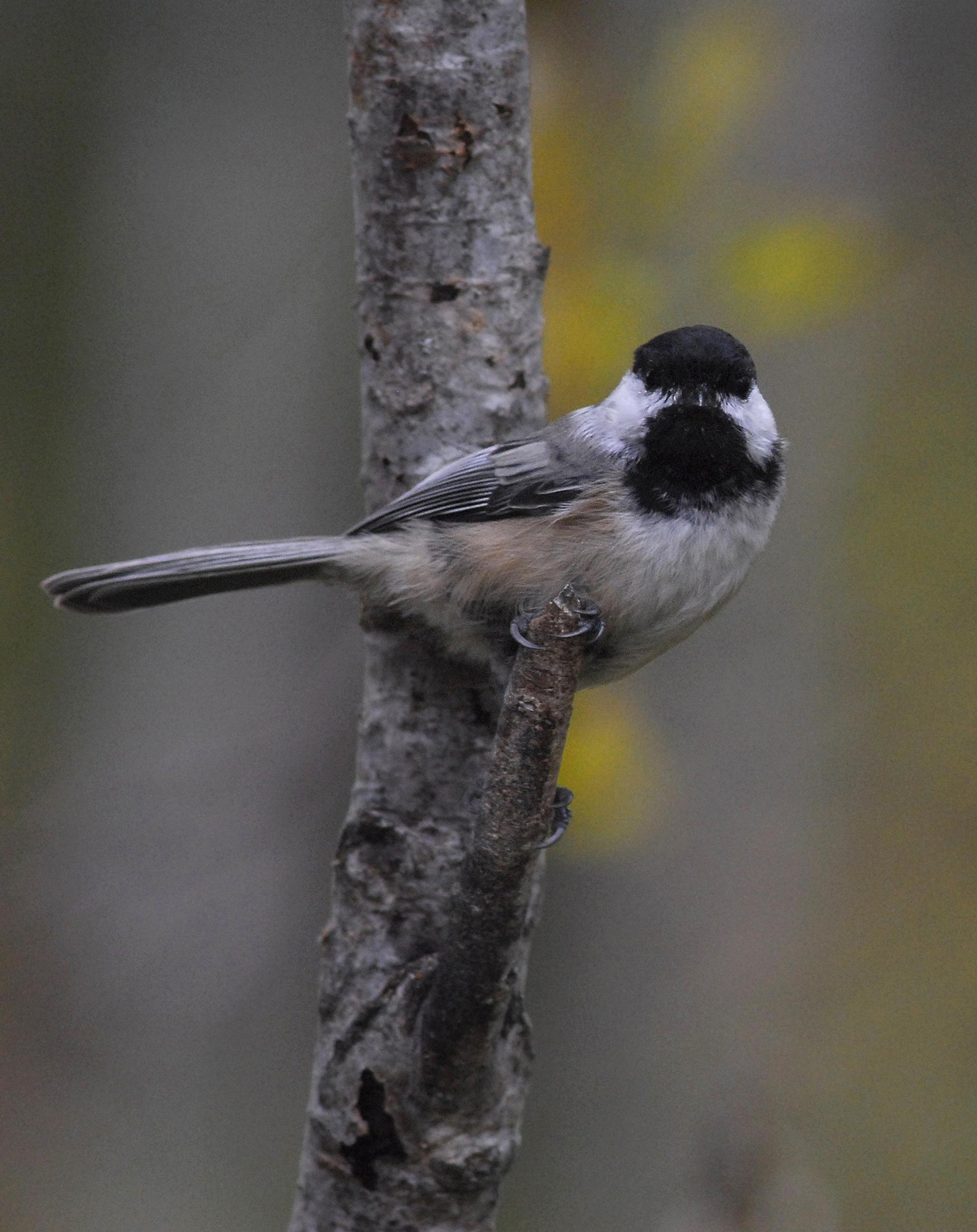
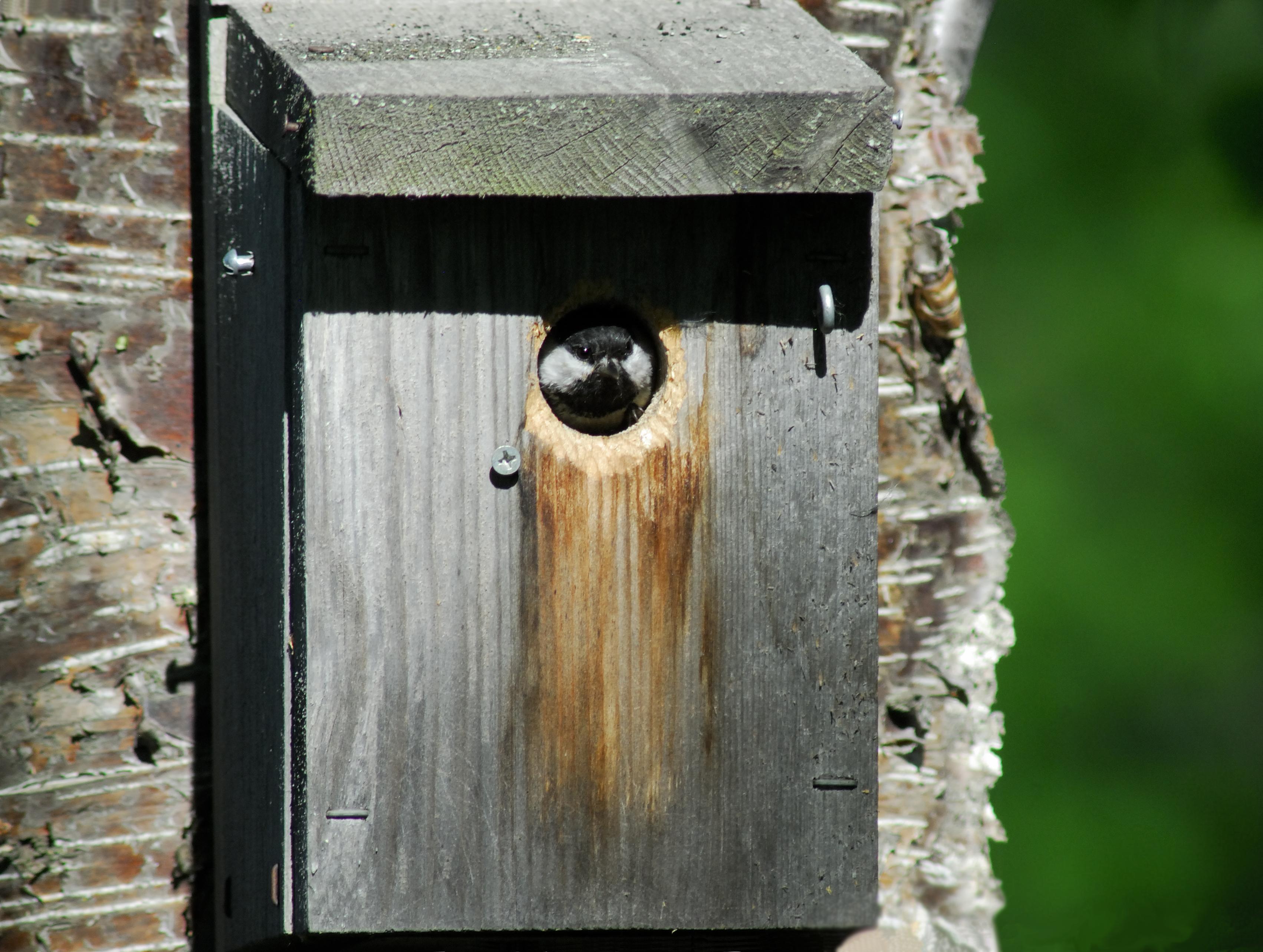
Black-capped chickadees from Maine (left) and Alaska (right).
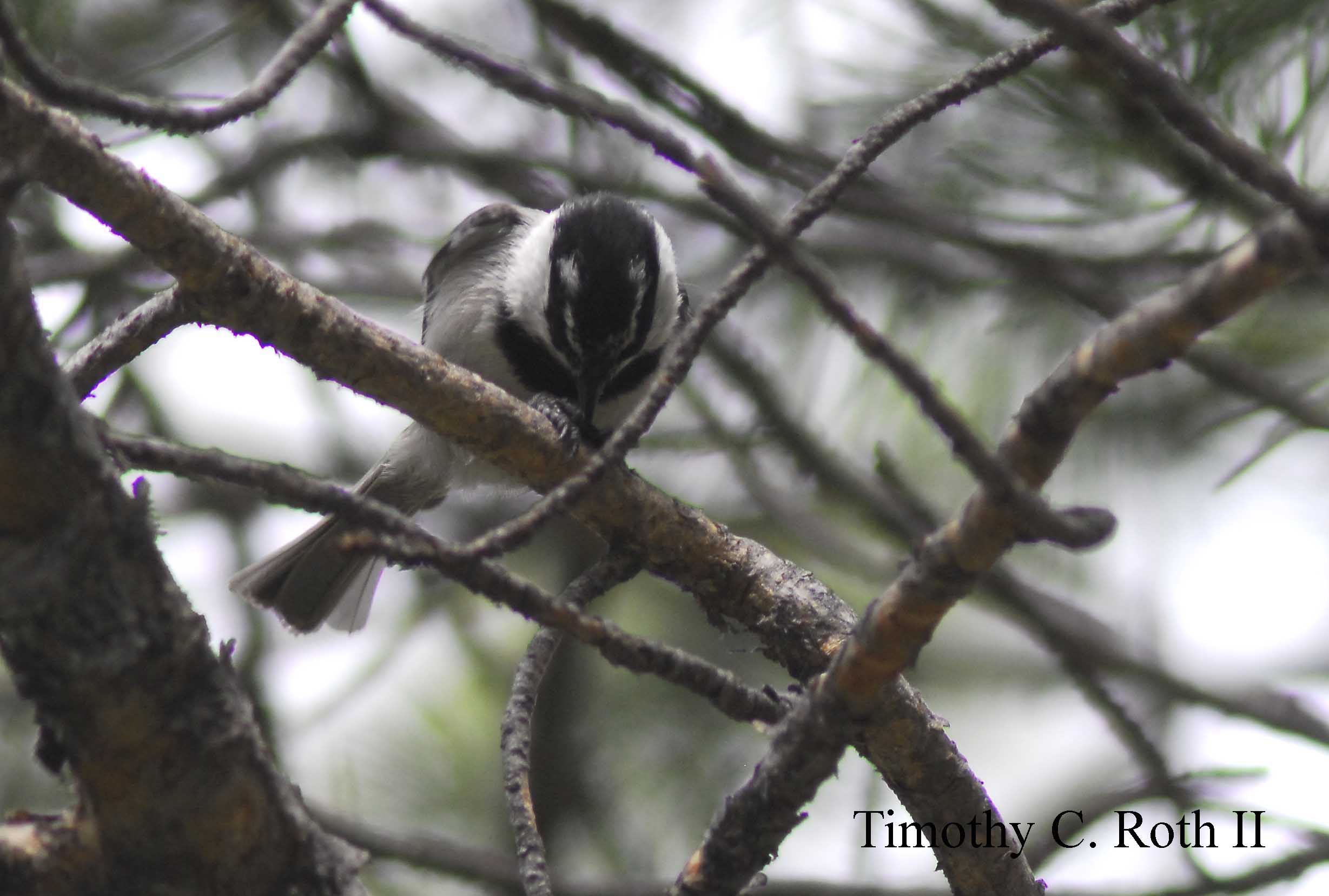
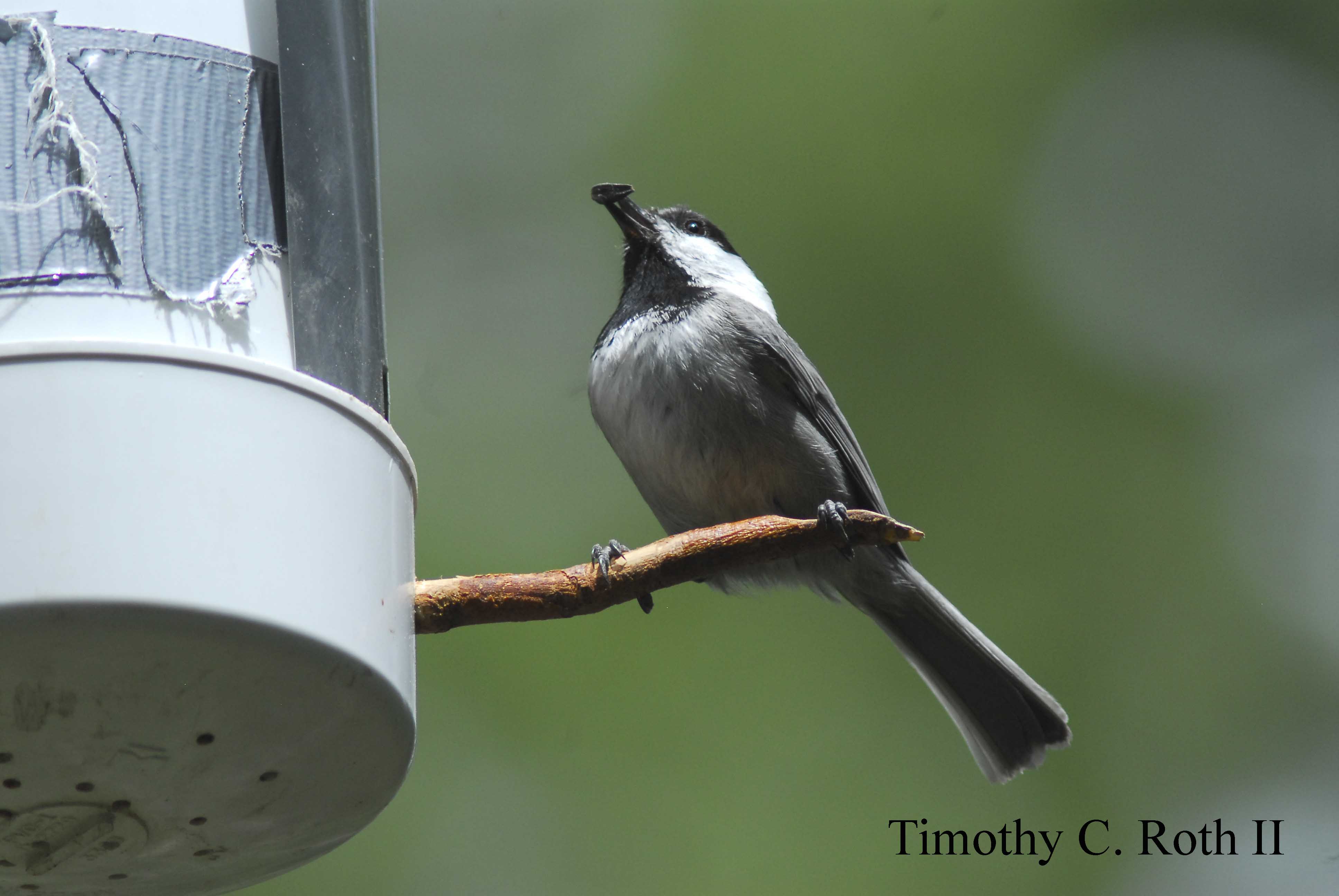
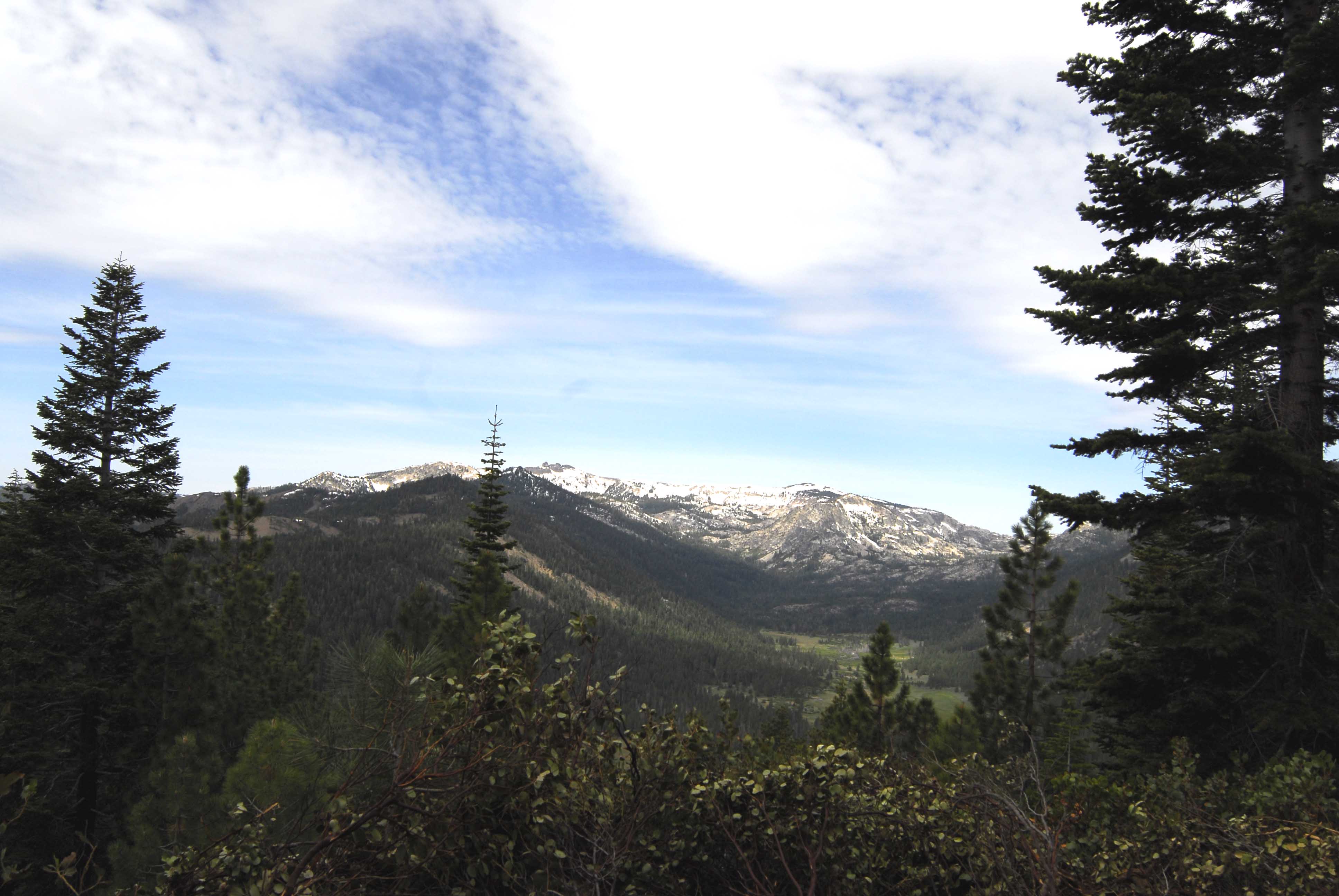
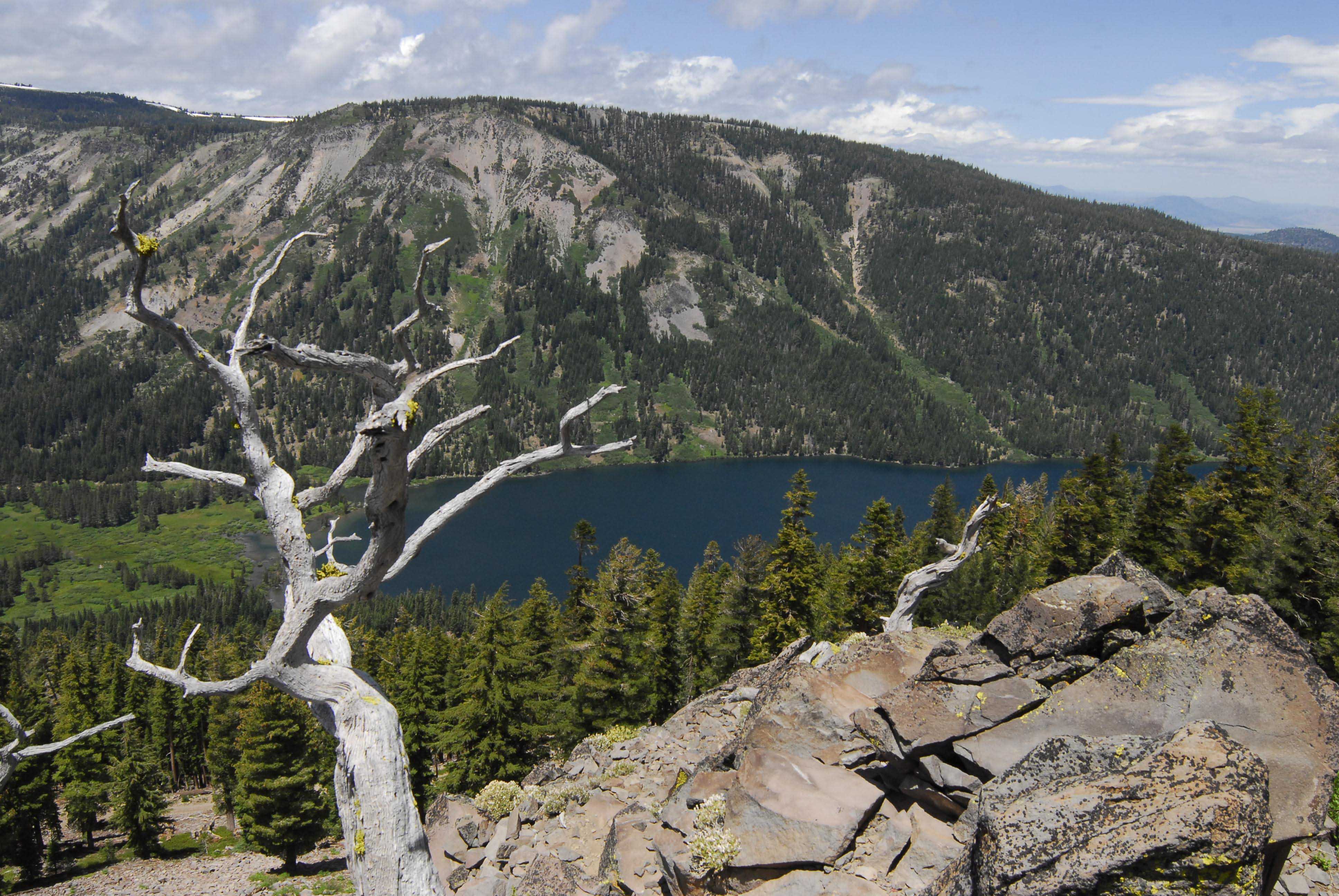
Mountain chickadees (above) at our field site in western California (below).
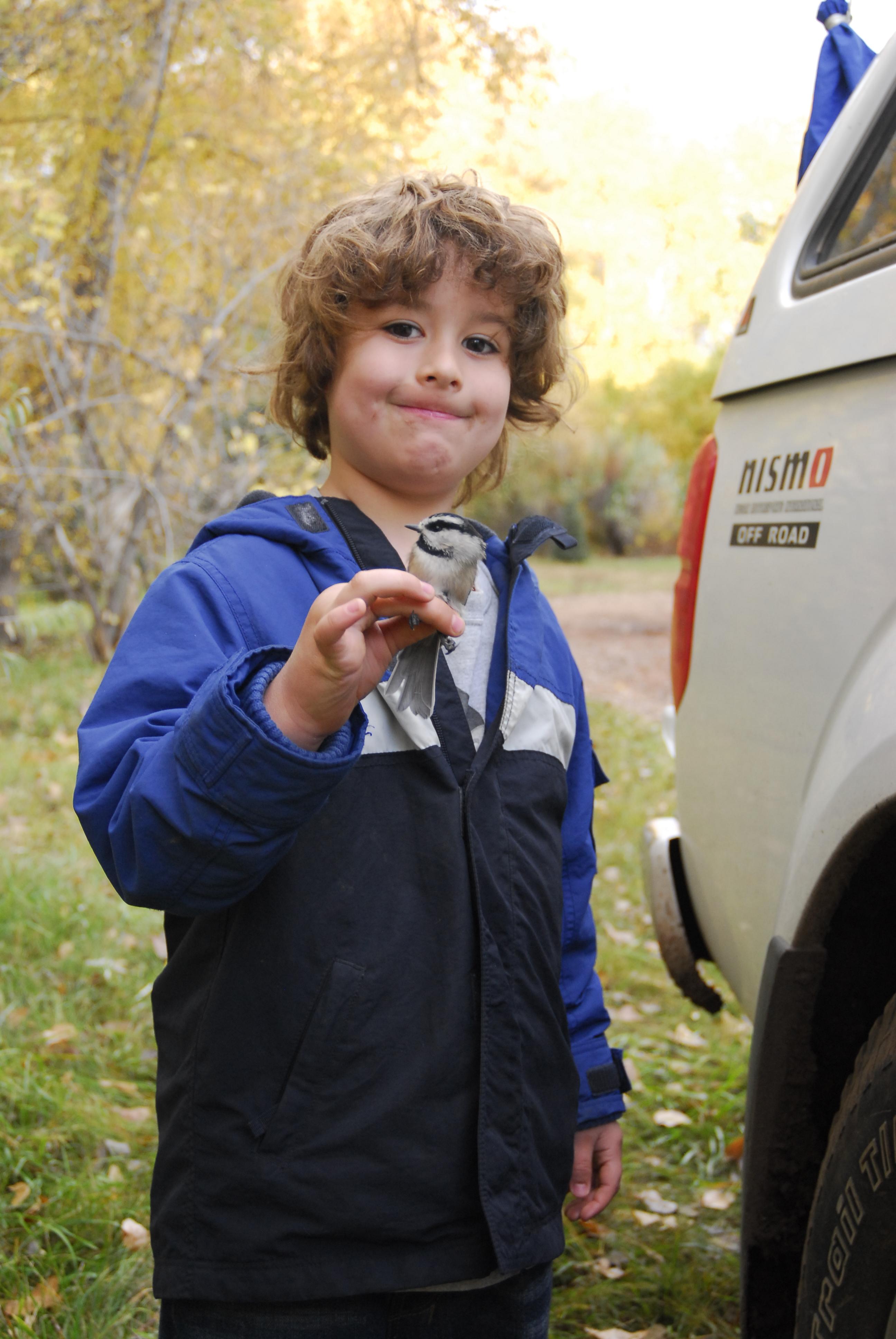

My field techs.