The Function(s) of Sleep
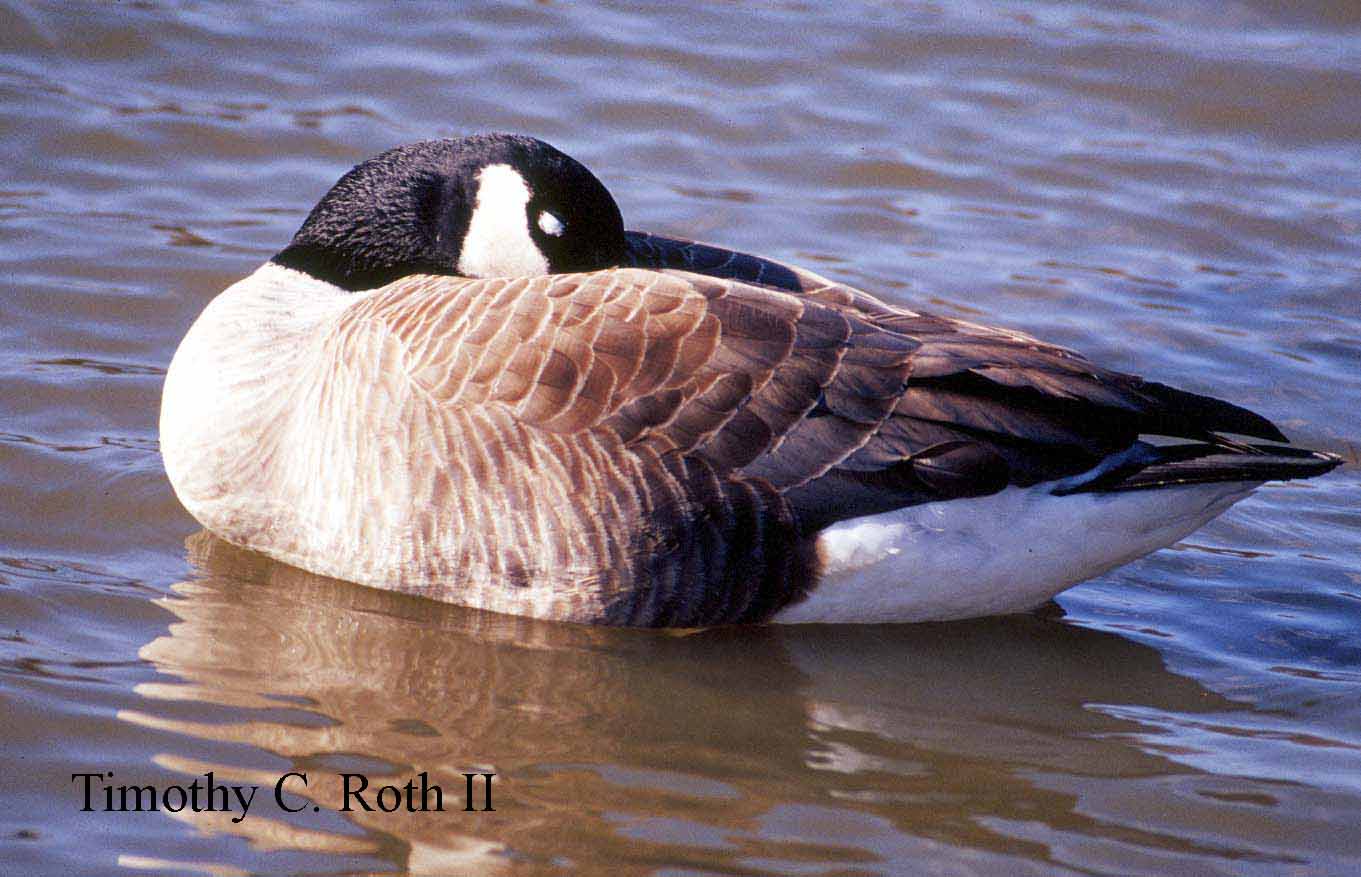
The function of sleep is one of the great unknowns in biology. While sleep is ubiquitous in the animal kingdom and impacts our daily lives, the fundamental purpose(s) of sleep has yet to be determined. Currently, there are over 15 different hypotheses for the function of sleep, although few of these have been rigorously tested. In addition, in spite of the fact that sleep is a pervasive phenomenon in animals, the vast majority of work on sleep has been focused on mammals. Only recently has sleep been considered in non-mammalian taxa. Thus, along with my colleagues at Indiana State University (Steven Lima) and the Max Plank Institute for Ornithology (Niels Rattenborg and John Lesku), I am using the comparative method to examine the functions of sleep in both mammals and in birds. Building upon previous research in mammals, we are using modern phylogentic techniques and multivariate statistics to test models for sleep's function. In short, we found support for memory consolidation/learning as well as an anti-predator aspect to sleep's function, but failed to support several other older hypotheses for sleep such as energy conservation. In addition, we performed similar analyses in birds and found only evidence for the anti-predatory benefits of sleep, suggesting that the function of sleep in birds may be very different from that in mammals.
Currently, one of the best supported functions of sleep is associated with memory consolidation and/or learning. Animals deprived of sleep suffer from reduced cognitive abilities and reduced performance on memory tests. However, the current mammalian-based field is somewhat lacking in its ability to inform us of the ecological and evolutionary relevance of sleep, as virtually all mammal systems studied are entirely lab-reared. A better system to address the ecological relevance of sleep and the evolutionary similarities between avian and mammalian sleep may be memory in the food-caching bird. Based on my recent work with this system, we know that there is a great deal of natural variation in memory due to differential selection pressures in different environments. This variation may result in variation in sleep requirements. In addition, many species that use spatial memory for caching retrieval are energetically restricted and enter torpor at night, which may disrupt sleep. The conflict between sleeping for memory enhancement and energy conservation might well present a trade-off between saving energy in hypothermia and sleeping for memory. This relationship makes this system particularly tenable for simultaneously and experimentally testing several of the hypothesized functions of sleep (Roth et al. 2010 Phil Trans R Soc B; Rattenborg et al. in press Biol Rev).